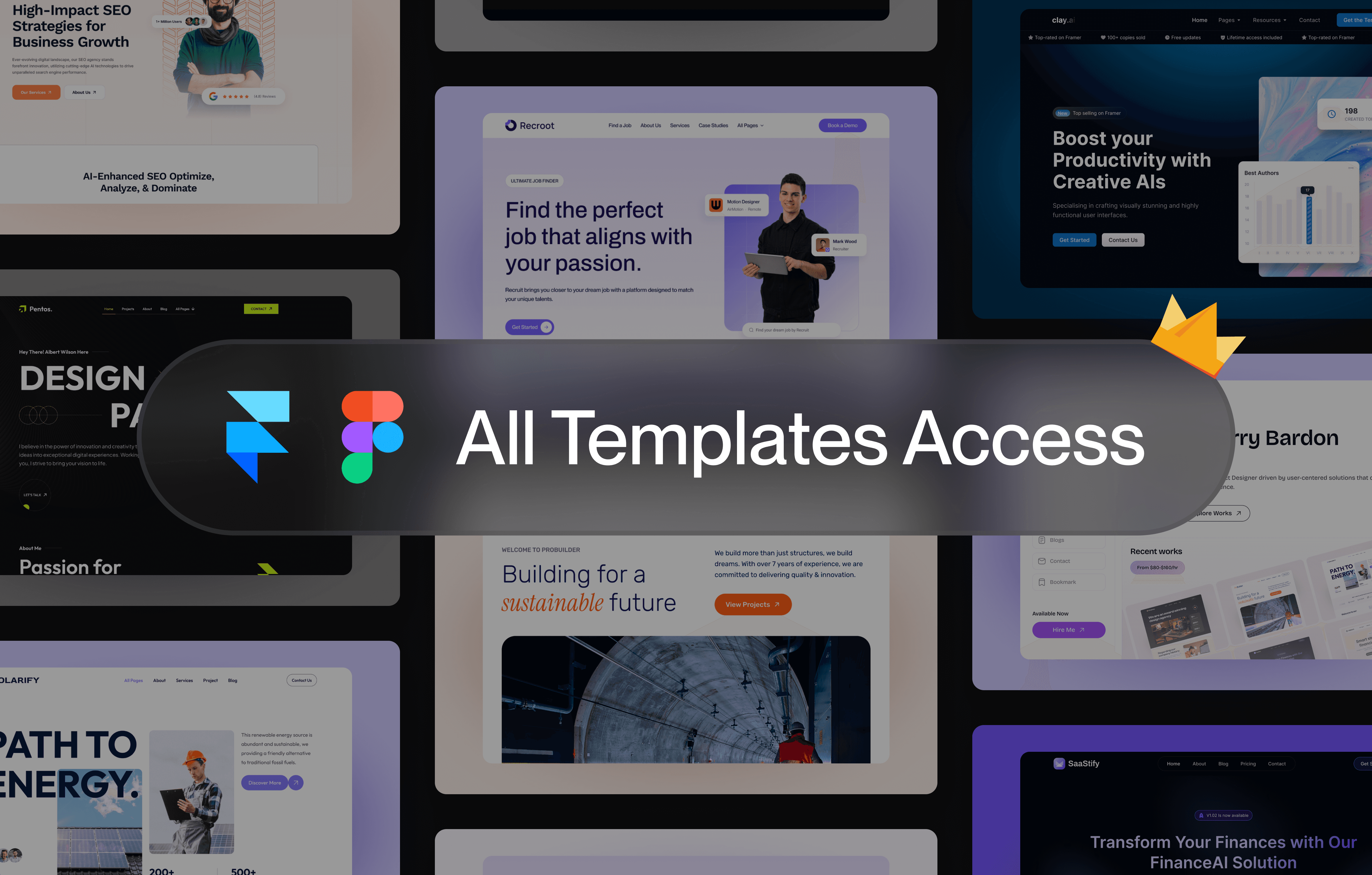
Best Webflow Ecommerce Templates
Choosing the right Webflow ecommerce template is easier when you compare the strongest options side by side. This page helps you find designs that match your goals, audience, and growth stage.
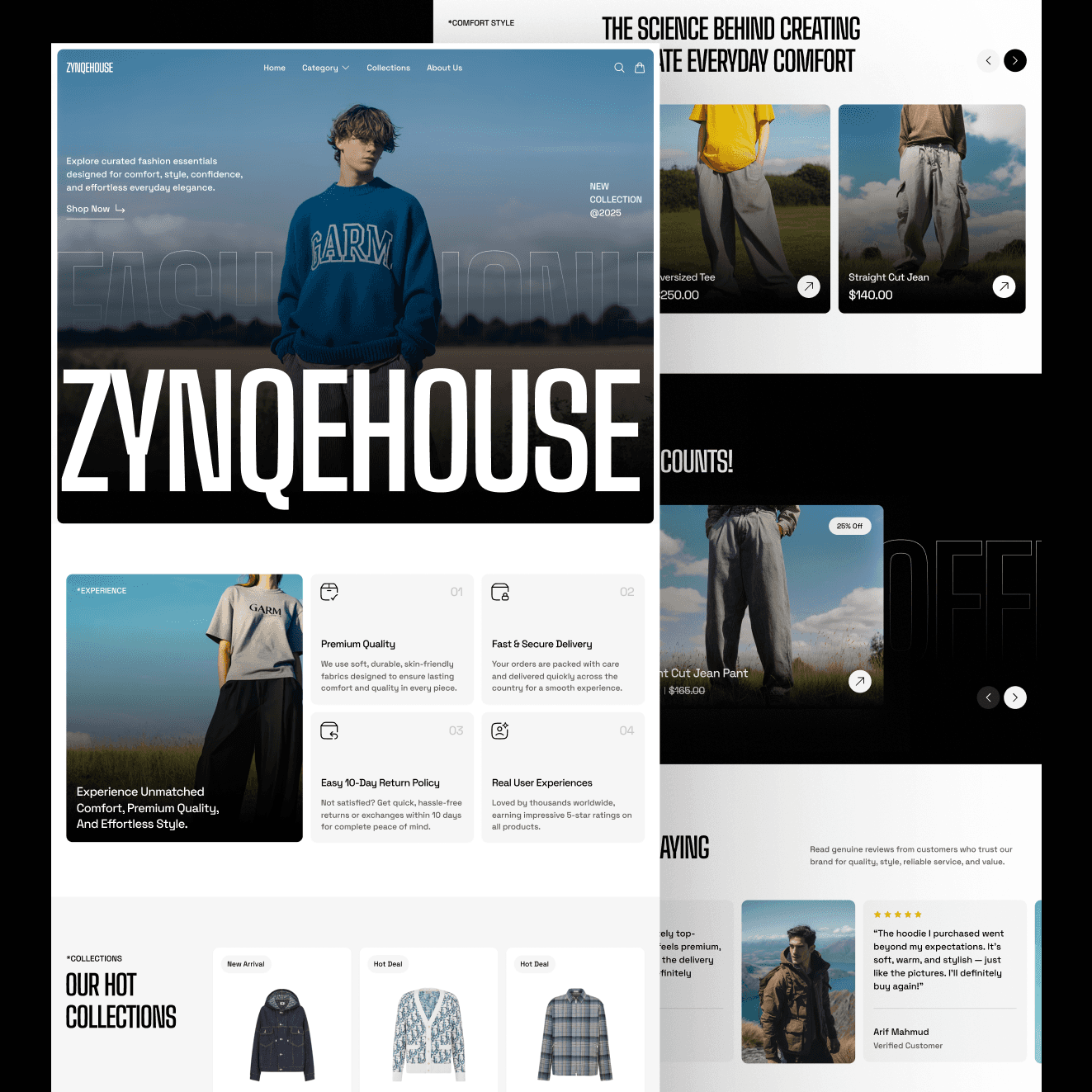


Introduction
Running an ecommerce business today is as much about experience as it is about products. Your website isn’t just a place to list items—it’s where customers decide whether they trust your brand, understand your offer, and feel confident enough to buy. Even small issues like slow load times, confusing navigation, or poorly designed product pages can lead to lost sales.
For many ecommerce founders and DTC brands, building a high-performing store from scratch is time-consuming and resource-heavy. You need something that looks professional, works smoothly, and is optimized for conversions—without delaying your launch.
That’s where the best Webflow ecommerce templates come in. These templates are designed to help you build a modern, conversion-focused online store quickly. With structured product pages, optimized layouts, and built-in components for sales funnels, they provide a strong foundation for both new and growing ecommerce businesses.
In this guide, we’ll explore a curated selection of webflow ecommerce templates that are built for real-world use—whether you’re launching your first store or scaling an existing brand. Each option focuses on usability, performance, and the elements that actually drive online sales.
What Makes a Great Ecommerce Template
A great ecommerce template isn’t just visually appealing—it’s built to sell. Every section, layout, and interaction should support the customer journey from discovery to checkout.
The foundation starts with a product-focused layout. Your products should be the main focus, with clear images, descriptions, pricing, and calls-to-action. Templates that prioritize product visibility help reduce friction and improve engagement.
Equally important is a smooth user journey. Customers should be able to browse collections, view product details, and move to checkout without confusion. Well-structured navigation, filtering options, and logical page flow make this possible.
Conversion optimization plays a central role. High-quality webflow online store templates include elements like featured products, upsell sections, and strategically placed CTAs. These features guide users toward making a purchase rather than just browsing.
Trust is another critical factor. Templates should include trust elements such as customer reviews, guarantees, and secure checkout indicators. These help reduce hesitation and increase confidence.
Finally, scalability is key. As your business grows, your website should support more products, categories, and integrations. The best ecommerce website Webflow templates are built to handle growth without requiring a complete redesign.
Key Features to Look For in Webflow Ecommerce Templates
When evaluating webflow ecommerce templates, it’s important to focus on features that directly impact sales and performance.
Start with product pages and collections. A good template should offer structured layouts for individual products and category pages. This includes space for images, descriptions, variations, and related products.
Next, consider the checkout experience. While Webflow handles the technical side, your template should support a smooth transition from product pages to checkout. Clear CTAs and minimal distractions help reduce cart abandonment.
Integrations are also essential. Ecommerce stores often rely on payment gateways, analytics tools, email marketing platforms, and inventory systems. A flexible template makes it easier to connect these tools without major adjustments.
Responsive design is non-negotiable. Many customers shop on mobile devices, so your template should provide a seamless experience across all screen sizes.
Finally, prioritize performance and speed. Fast-loading pages improve both user experience and search rankings. Templates with clean structure and optimized elements ensure your store runs efficiently.
Best Webflow Portfolio Templates
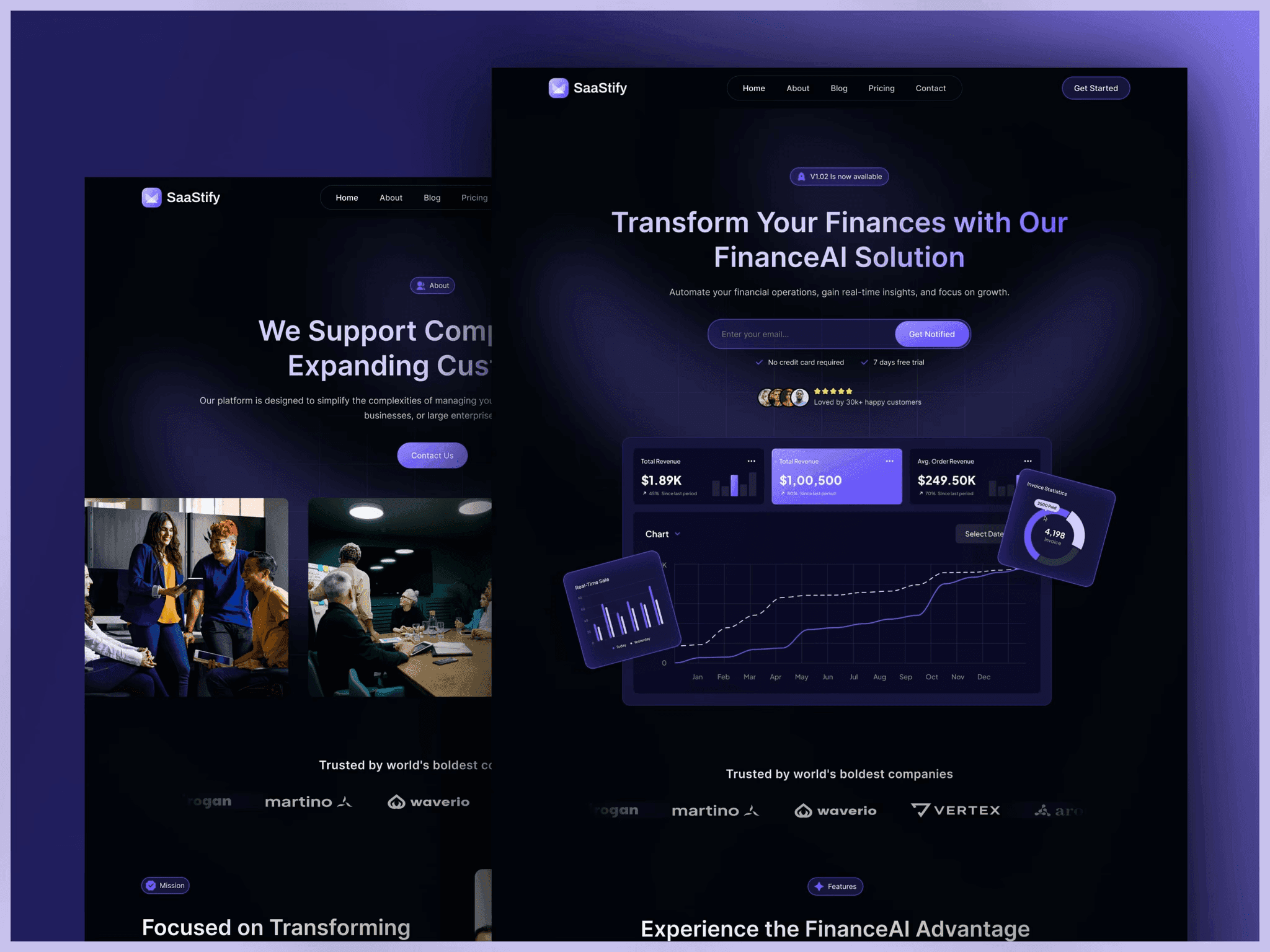
Overview
SaaSify is built for startups that need a clear, conversion-driven website from day one. It focuses on structured layouts that guide users through your product.
Best use case
SaaS startups, MVP launches, and early-stage product validation.
Best use case
Conversion-focused landing page sections
Built-in pricing tables and feature comparisons
CMS-ready blog support
Fast and clean design
Why it stands out
SaaSify is practical and efficient. It removes guesswork and helps you launch quickly with a structure that’s proven to convert.
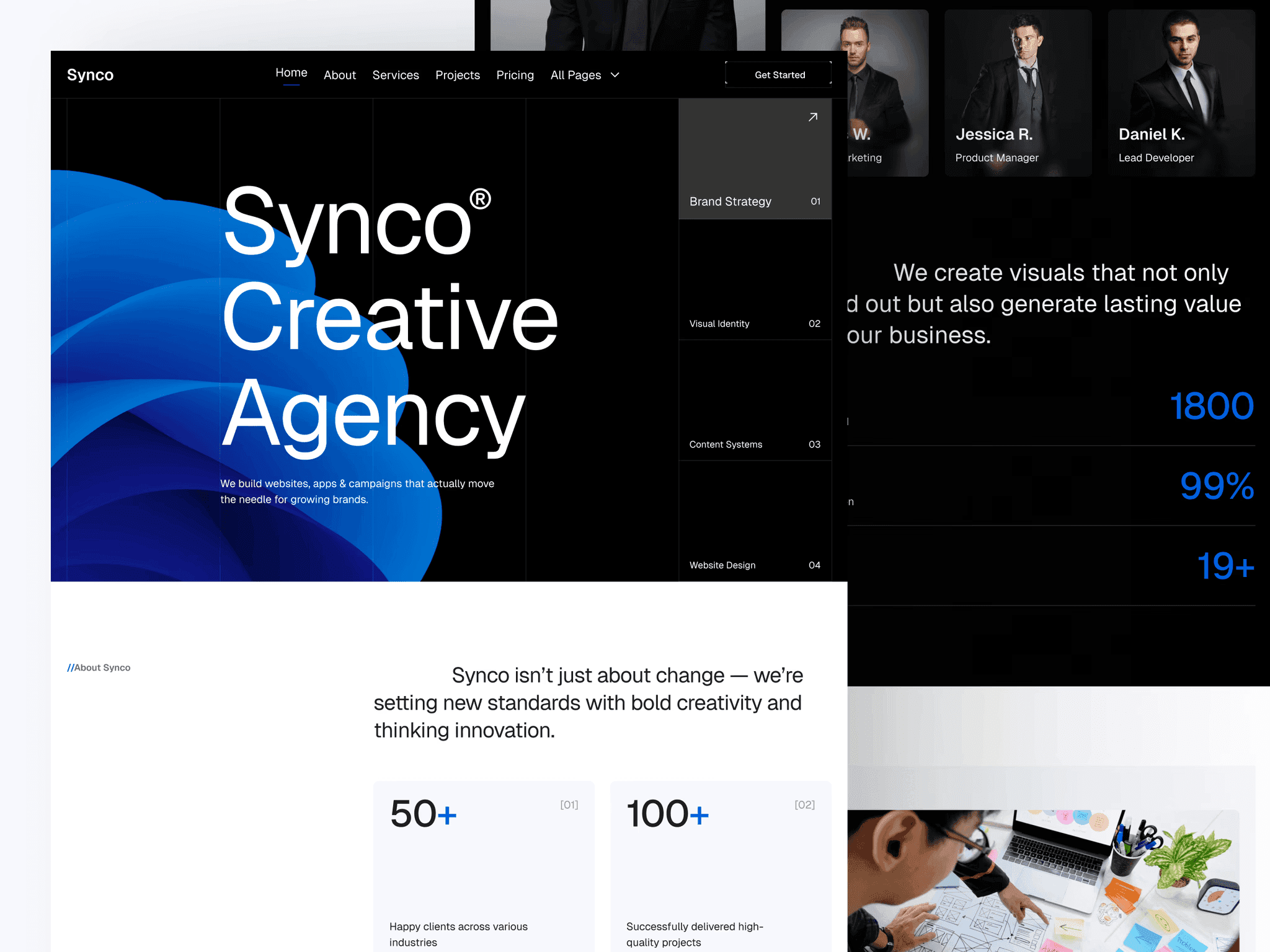
Overview
Synco offers a more design-forward approach, combining modern aesthetics with flexible layouts.
Best use case
Startups focused on branding, creative tools, or design-heavy products.
Best use case
Bold typography and modern layout system
Smooth animations and transitions
Flexible content blocks
Easy customization
Why it stands out
Synco helps your startup stand out visually. It’s a great choice if brand perception is a key part of your strategy.
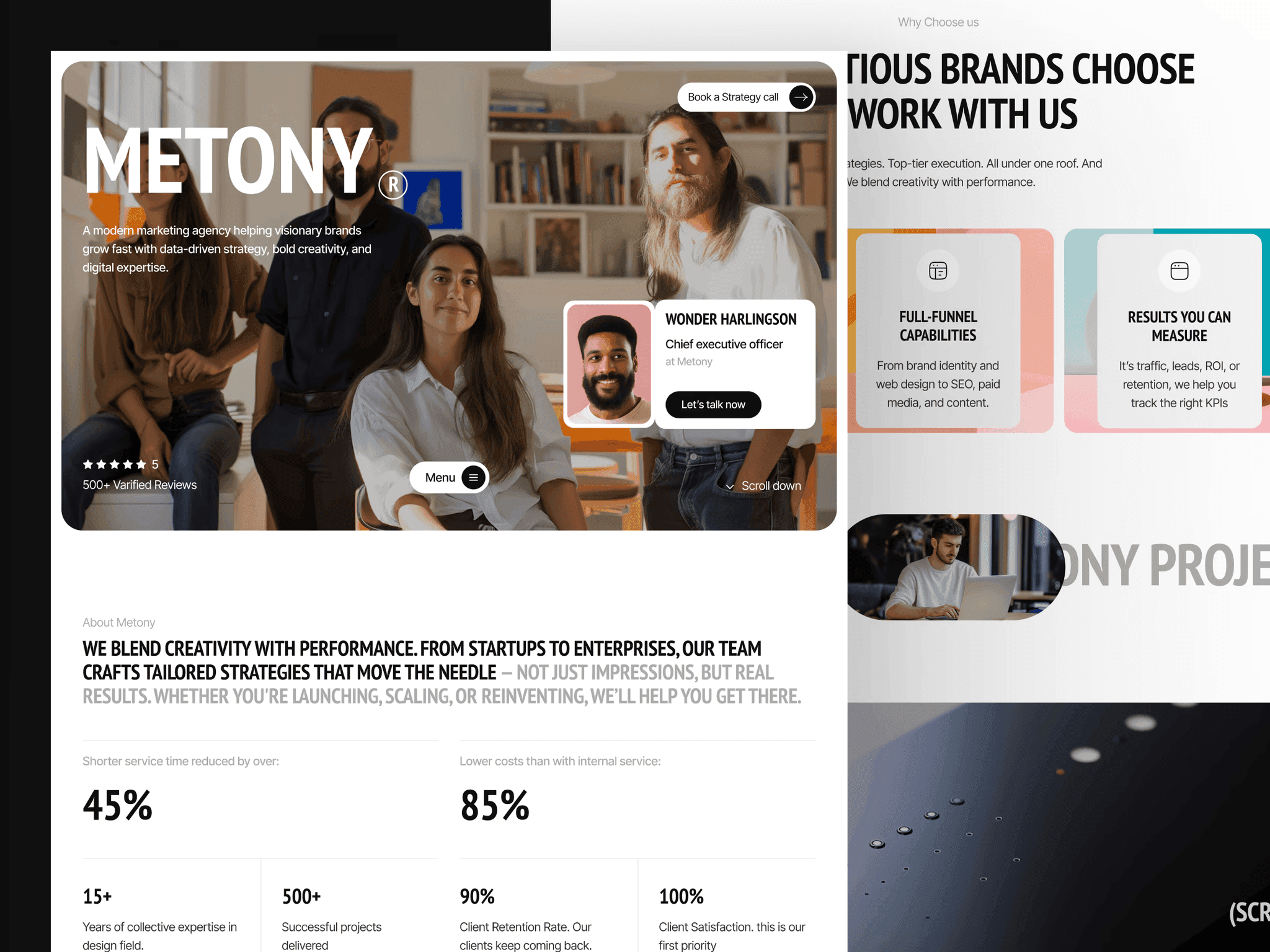
Overview
Metony is a versatile template designed for flexibility and adaptability.
Best use case
Startups exploring different positioning or evolving their product.
Best use case
Modular layout system
CMS integration for content
Clean navigation and structure
Responsive design
Why it stands out
Metony gives you room to experiment. It’s ideal for startups that expect to pivot or refine their messaging over time.
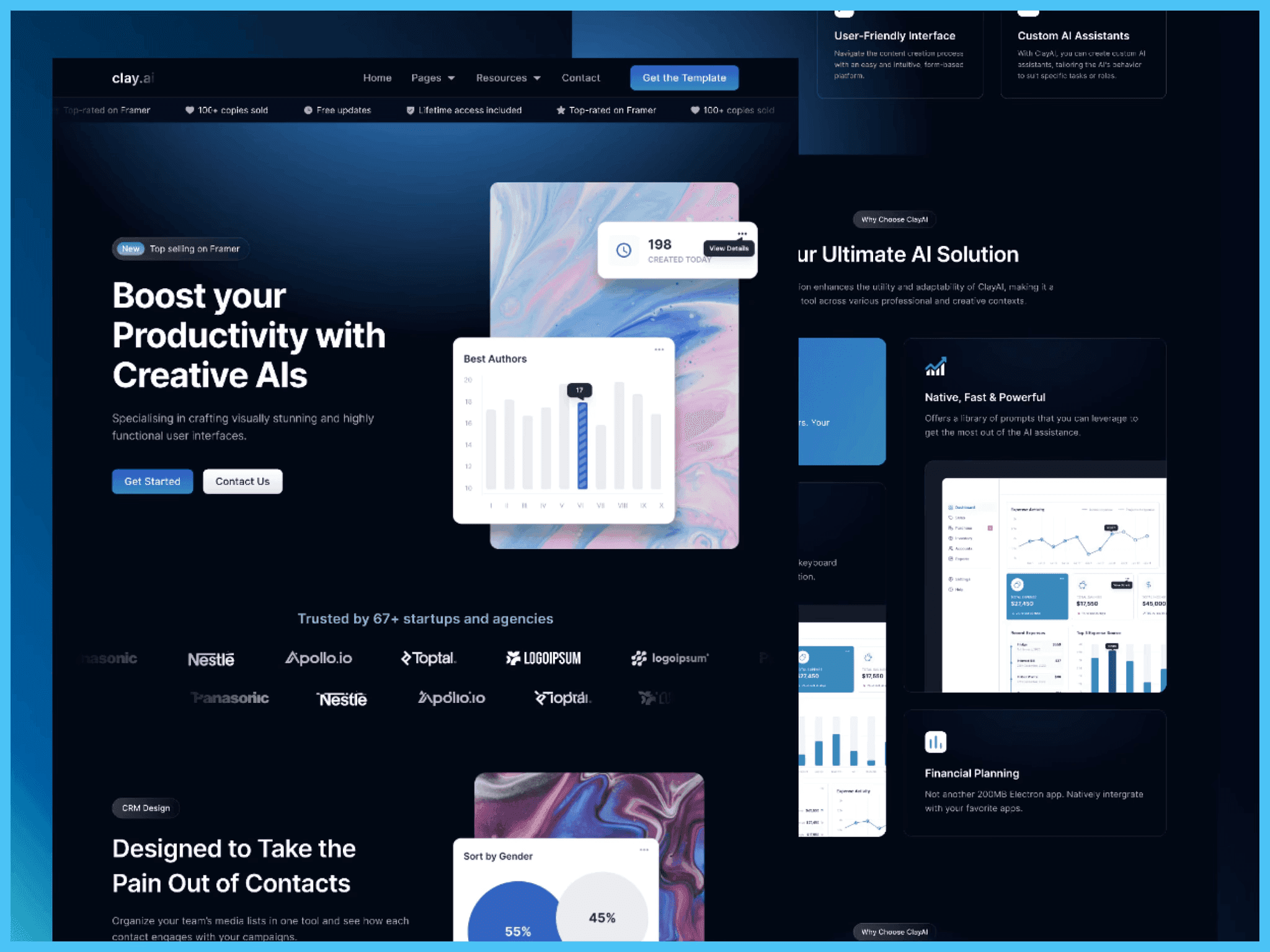
Overview
ClayAI is tailored for AI-driven startups, combining modern design with structured storytelling.
Best use case
AI startups, automation tools, and machine learning platforms.
Best use case
Futuristic design elements
Product demo and feature sections
Integration-friendly layouts
Performance-optimized
Why it stands out
ClayAI helps communicate complex ideas clearly. It’s particularly useful for startups building innovative or technical products.
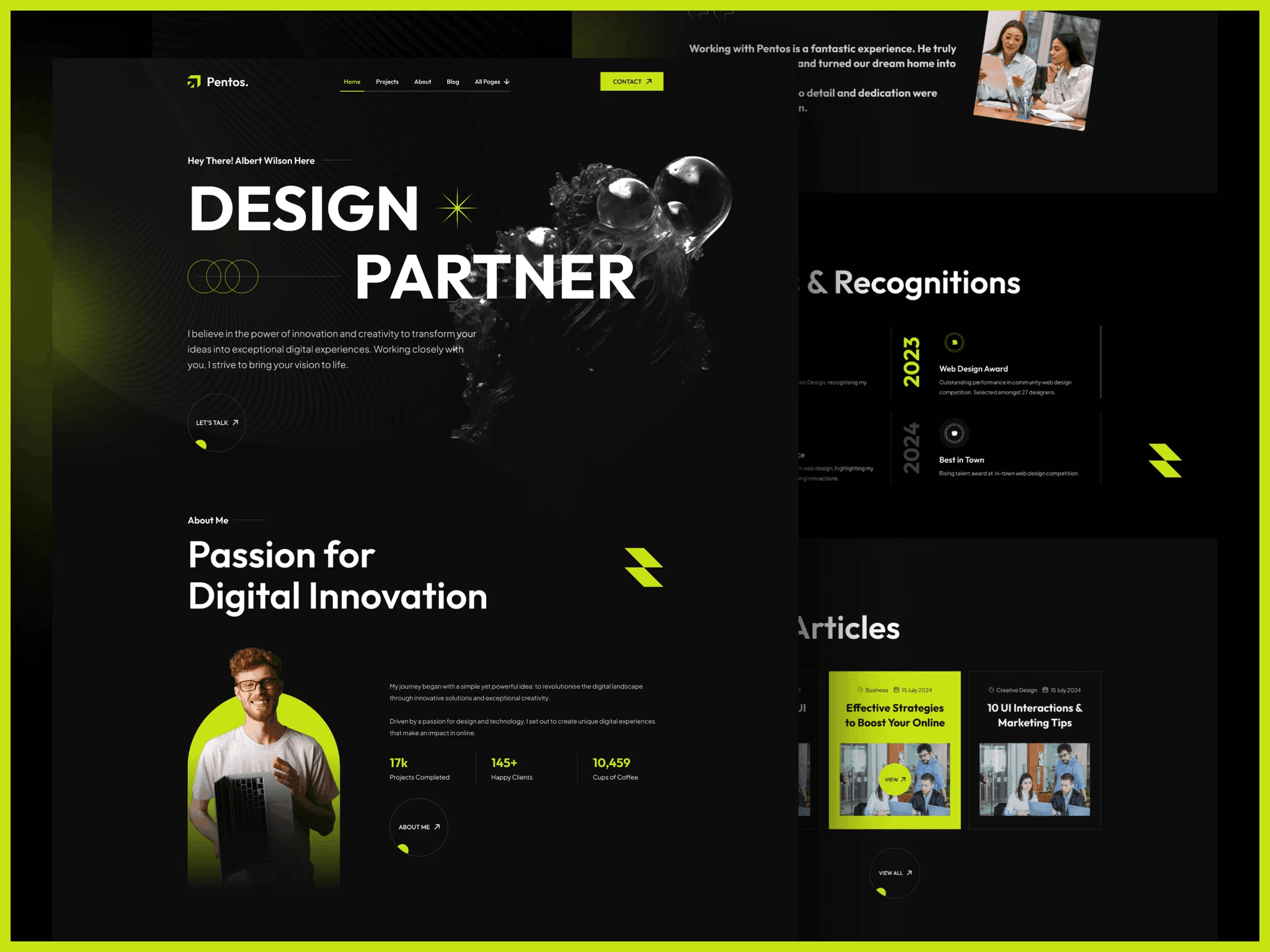
Overview
Pentos focuses on clarity and impact, making it ideal for startups with strong value propositions.
Best use case
Product launches, SaaS tools, and focused landing pages.
Best use case
Strong visual hierarchy
Conversion-focused layout
Flexible content sections
Fast performance
Why it stands out
Pentos ensures your key message is immediately visible. It’s built to drive action, not just look good.
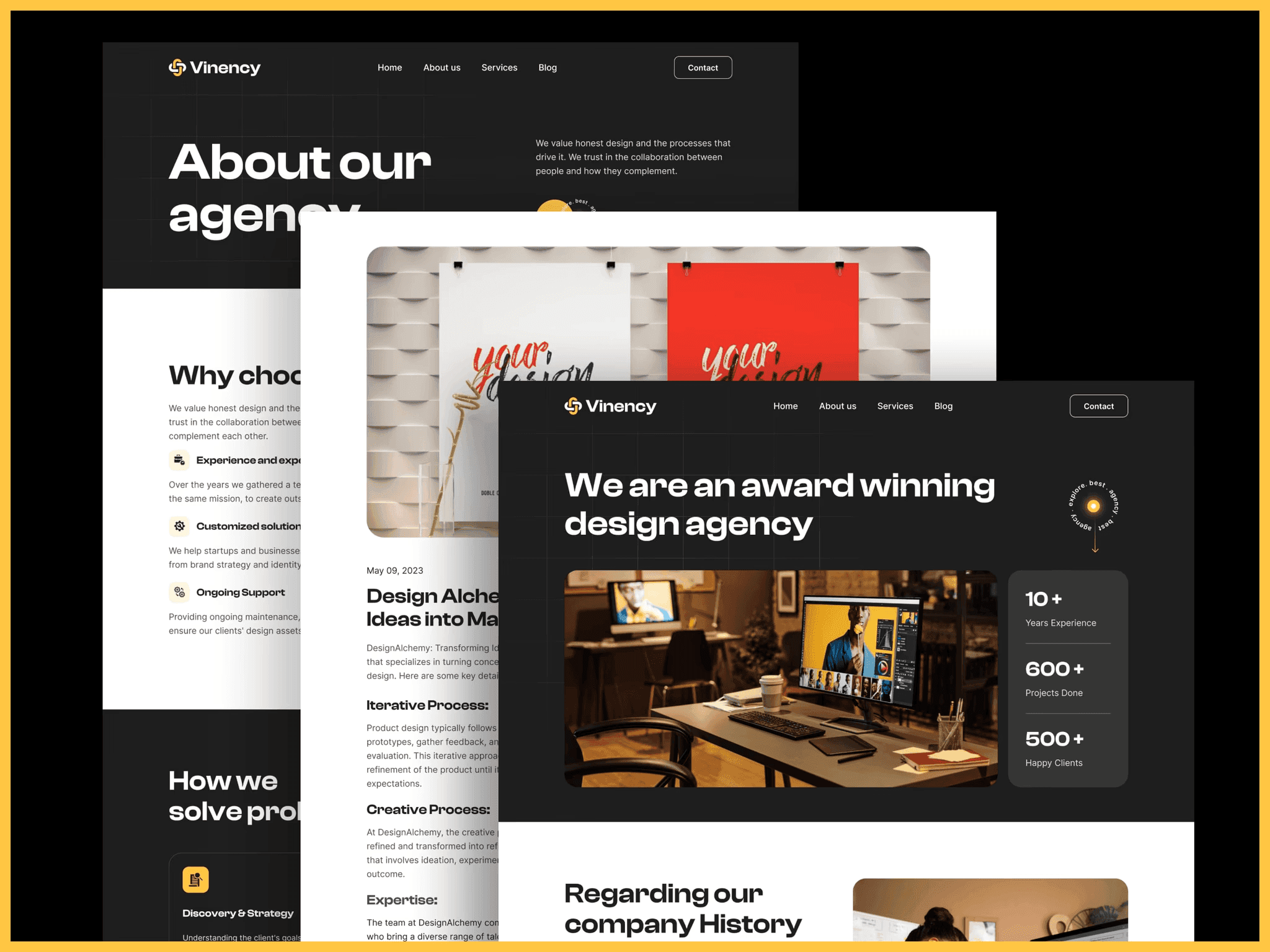
Overview
Vinency is designed for storytelling and personal branding.
Best use case
Founder-led startups, indie hackers, and personal brands.
Best use case
Portfolio and case study sections
Blog support for content marketing
Clean and elegant design
Personal branding layout
Why it stands out
Vinency allows founders to connect with users on a more personal level, which can be powerful in early-stage growth.
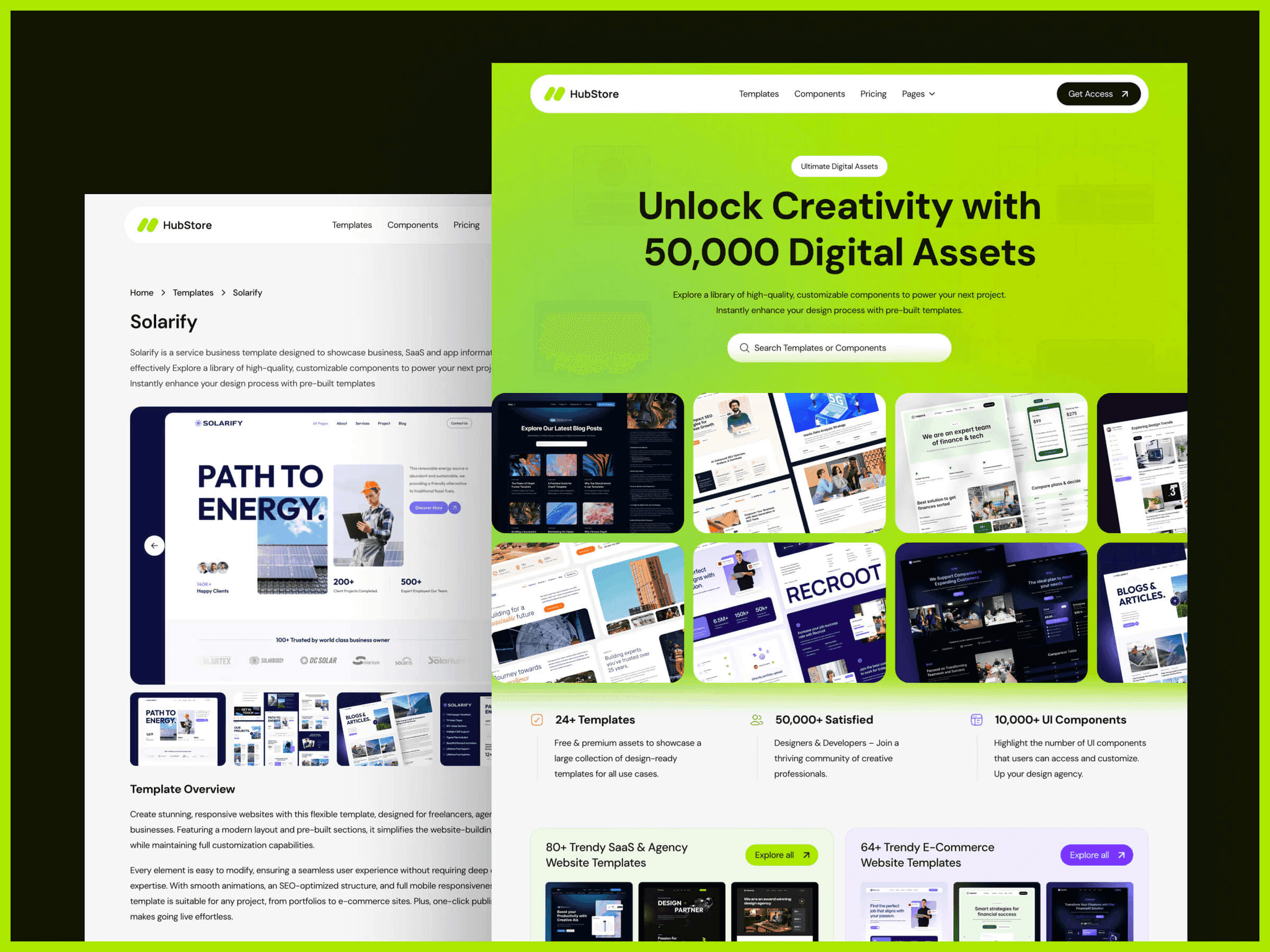
Overview
Hubstore brings ecommerce-style functionality into startup websites.
Best use case
Startups selling digital products, tools, or subscriptions.
Best use case
Product listing and detail pages
CMS-powered inventory management
Structured navigation
Mobile-friendly design
Why it stands out
Hubstore is ideal for startups with multiple offerings. It helps organize products clearly and efficiently.
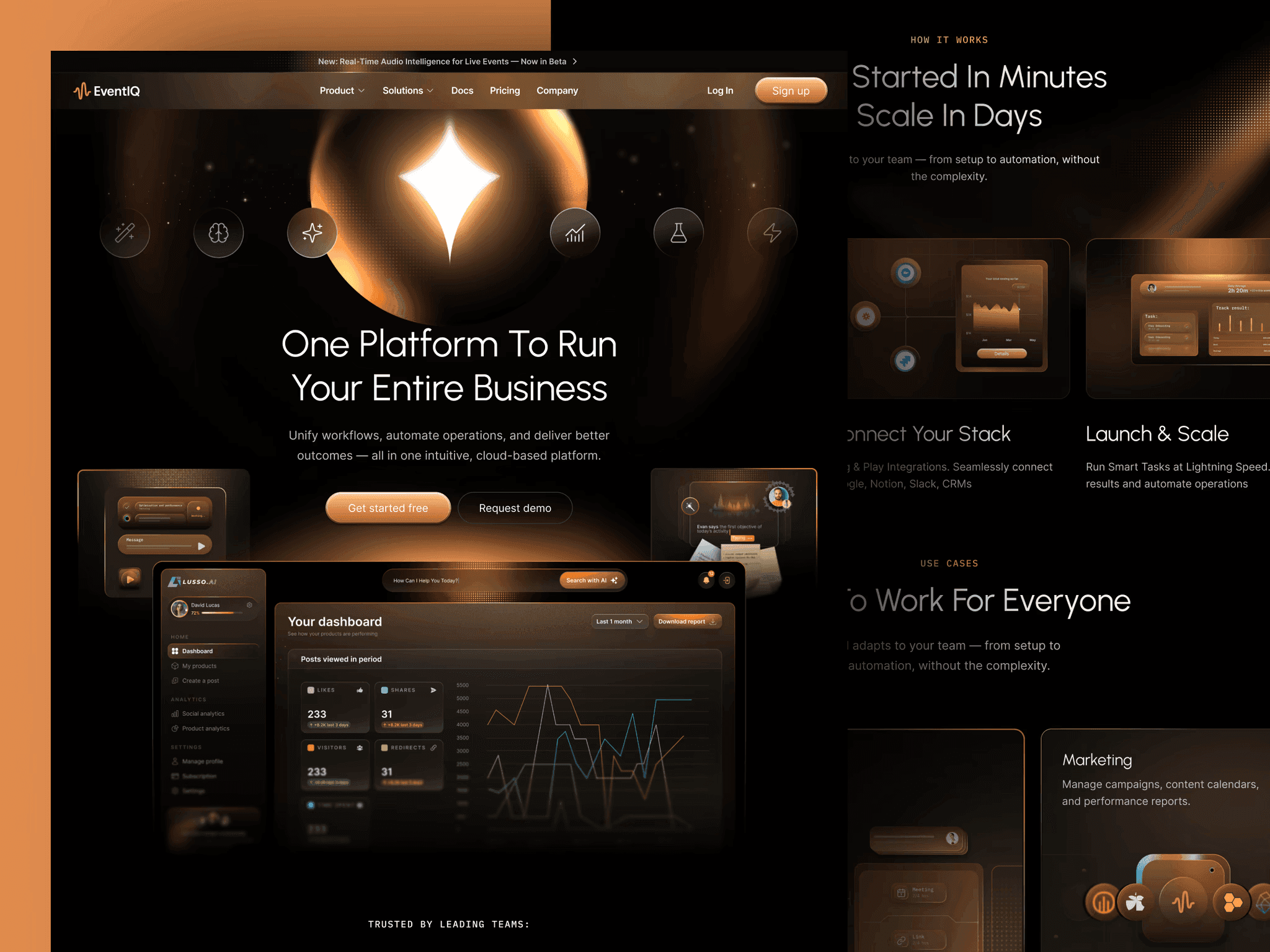
Overview
Eventiq is built for structured content and event-driven startups.
Best use case
Startups hosting webinars, events, or community platforms.
Best use case
Event schedules and speaker sections
Registration-focused layouts
CMS for recurring content
Clean design
Why it stands out
Eventiq is perfect for startups that rely on engagement and education. It makes it easy to present complex information clearly.
Frequently Asked Questions
What are the best Webflow ecommerce templates?
Templates like Hubstore, Pentos, and Synco are popular choices due to their balance of design, functionality, and scalability.
Can I build an online store using Webflow templates?
Yes, webflow ecommerce templates are designed to support full online stores, including product pages, checkout, and integrations.
Are Webflow ecommerce templates SEO-friendly?
Yes, Webflow templates are generally optimized for performance and structure, making them suitable for SEO when paired with quality content.
Do these templates support payment integrations?
Yes, Webflow supports payment gateways, and most templates are designed to integrate smoothly with these systems.
Can beginners use Webflow for ecommerce?
Yes, Webflow’s visual editor makes it accessible for beginners, though there may be a learning curve.
Can I scale my ecommerce business with Webflow templates?
Yes, the best templates are built to support growth, allowing you to expand your store as your business grows.