Framer Template Customization Guide
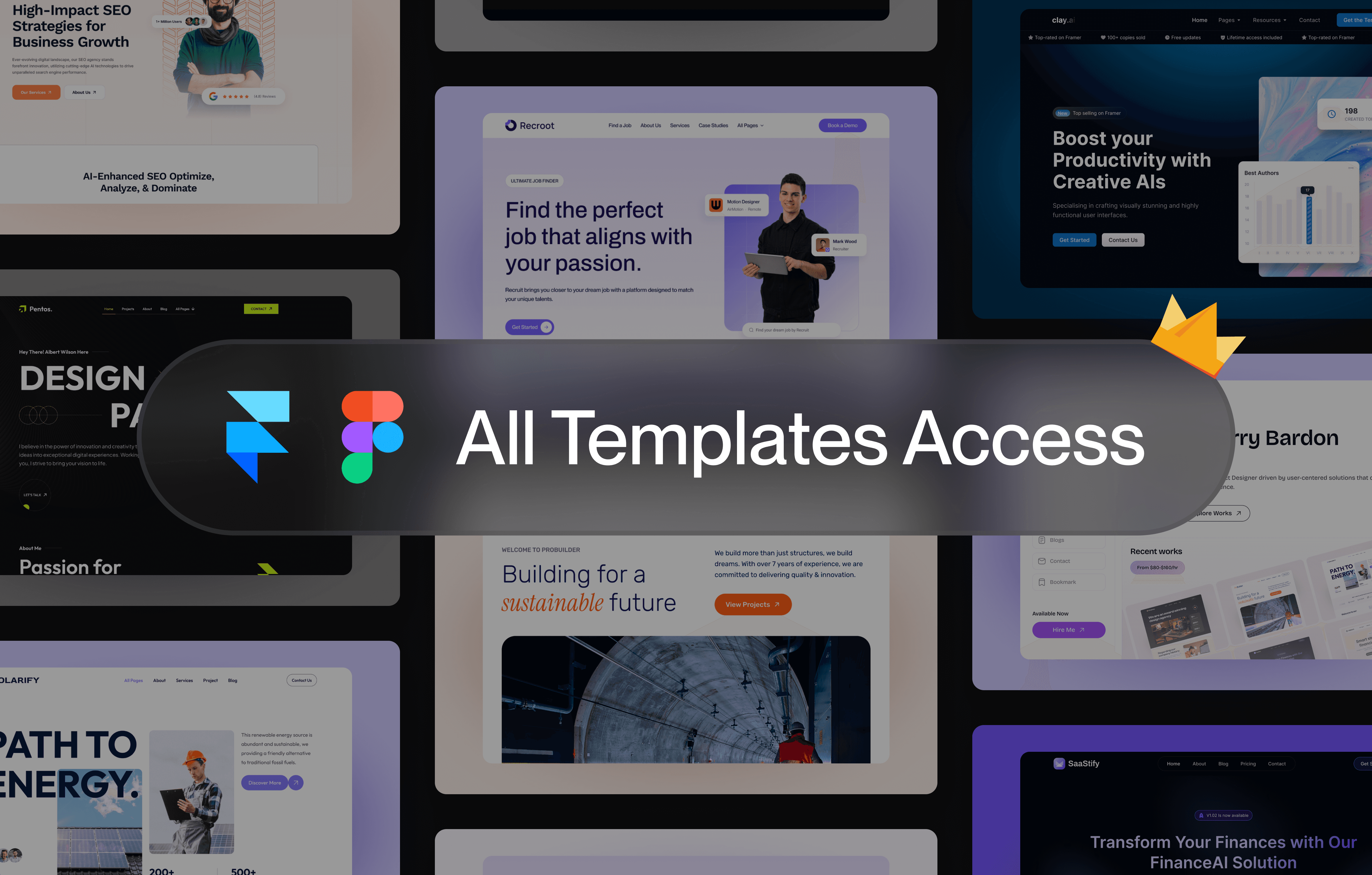
Website templates have become one of the fastest ways to launch professional websites without spending weeks designing layouts from scratch. For startups, agencies, creators, and small businesses, templates offer a practical starting point that combines modern design with ready-to-use page structures.
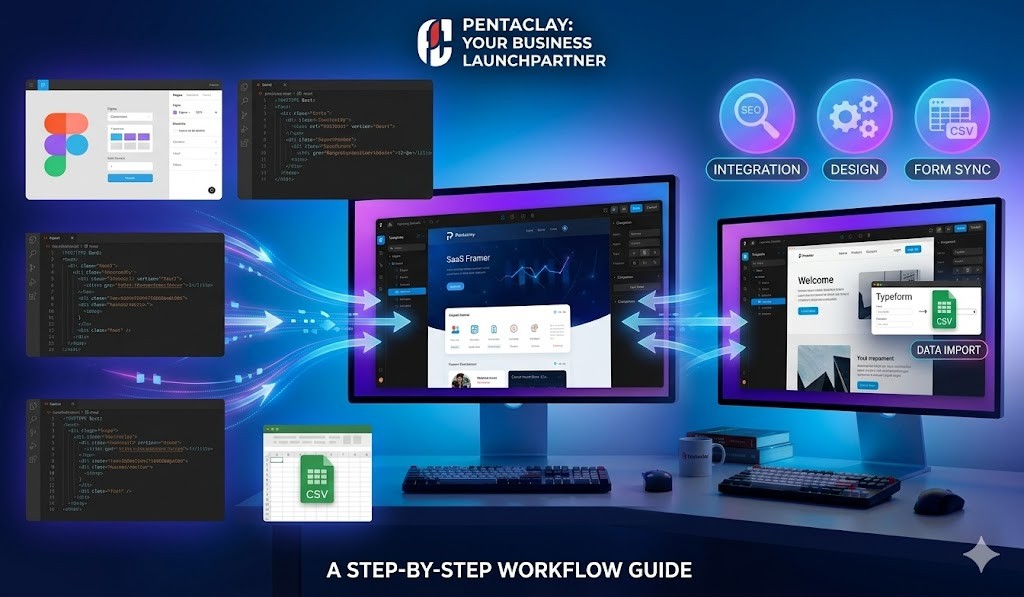
To create a website that feels professional, unique, and conversion-focused, businesses must customize layouts, branding, typography, content structure, and user experience strategically.
This Framer template customization guide explains:
how Framer templates are structured
how to customize layouts professionally
how to improve branding and conversions
how to optimize Framer websites for SEO and scalability
Whether you are building a:
this guide will help you transform a basic Framer template into a professional growth-focused website.
Quick Overview
Area | Why It Matters |
Layout customization | Improves clarity and storytelling |
Typography & branding | Builds trust and recognition |
CMS structure | Supports scalability |
Responsive optimization | Improves mobile UX |
Conversion structure | Increases inquiries and signups |
SEO structure | Helps websites rank organically |
Why Template Customization Matters
Many businesses launch websites using templates but never customize them properly.
As a result, websites often:
feel generic
lack brand personality
confuse visitors
fail to convert traffic
struggle to differentiate from competitors
A well-customized website creates:
stronger credibility
clearer messaging
better user experience
higher conversion potential
At Pentaclay, we believe templates should serve as:
👉 scalable website foundations
—not final website designs.
The goal of customization is not only visual improvement. It is about aligning the website with:
business goals
audience expectations
conversion psychology
SEO structure
brand positioning
Businesses using structured Framer templates often scale faster because the foundation is already optimized for responsiveness, modern UX, and SEO-ready architecture.
The Pentaclay Website Customization Framework™
One of the biggest mistakes businesses make is focusing only on aesthetics.
Professional websites require strategic structure.
We recommend using this framework:
Structure → Branding → Trust → Conversion
Structure
Organize layouts to improve:
readability
hierarchy
storytelling
navigation
Businesses using structured Framer startup templates often benefit from clearer messaging and stronger onboarding flow.
Branding
Customize:
typography
colors
imagery
visual rhythm
to create a recognizable brand identity.
Professional branding consistency is especially important for:
consulting businesses
SaaS startups
personal brands
Trust
Add:
testimonials
case studies
statistics
credibility indicators
to improve confidence.
Templates with strong CMS systems help manage scalable testimonials and portfolio content more efficiently. Explore Framer templates with CMS.
Conversion
Optimize:
CTAs
forms
layout flow
content hierarchy
to guide visitors toward action.
Templates with integrated booking workflows can improve consultation and inquiry conversion. Explore Framer templates with booking forms.
Understanding Framer Template Structure
Framer templates use modular website systems designed around reusable layouts and responsive design principles.
Understanding these systems helps simplify customization.
Core Template Components
Most Framer templates include:
Component | Purpose |
Hero section | Communicates primary value proposition |
Features section | Explains product or service benefits |
Testimonials | Builds trust |
Pricing sections | Supports conversions |
FAQ sections | Reduces objections |
Footer | Improves navigation and authority |
Understanding these components helps businesses customize templates strategically rather than randomly editing layouts.
You can explore professionally structured examples inside:
Reusable Components
Framer templates often include reusable elements such as:
navigation systems
CTA blocks
cards
buttons
testimonial modules
Updating reusable components improves consistency across the website.
Businesses managing larger content ecosystems should consider using CMS-powered Framer templates for scalability.
Responsive Layout Structure
Modern websites must perform across:
desktop
tablet
mobile devices
Before publishing:
review spacing
typography scaling
button sizes
responsive hierarchy
Responsive optimization improves:
UX
engagement
SEO performance
This is particularly important for:
local SEO websites
service businesses
booking-driven websites
startup landing pages
How to Customize Framer Templates Professionally
1. Reorganize Layout Flow
Most templates use general-purpose layout structures.
But every business communicates differently.
Examples:
startups prioritize product clarity
agencies prioritize trust and case studies
SaaS products prioritize onboarding
portfolios prioritize visual storytelling
Reordering sections improves:
storytelling
user flow
conversion hierarchy
Example High-Converting Startup Structure
Section | Purpose |
Hero | Explain product value |
Social proof | Build trust |
Features | Explain benefits |
Product preview | Demonstrate usability |
Testimonials | Reduce skepticism |
CTA | Drive signup |
For examples of conversion-focused startup layouts, explore:
2. Remove Unnecessary Sections
One of the biggest website mistakes:
👉 too much content.
Removing unnecessary sections improves:
clarity
focus
readability
conversion rates
Examples:
unnecessary pricing tables
duplicate testimonials
excessive animations
bloated feature sections
Minimalist websites often convert better because visitors remain focused on key actions.
This strategy works particularly well for:
creative studios
agency landing pages
3. Improve Spacing & Visual Hierarchy
Professional websites rely heavily on spacing consistency.
Review:
padding
margins
alignment
whitespace
typography hierarchy
Good spacing improves:
readability
professionalism
visual balance
Many high-converting Framer agency templates use whitespace strategically to improve trust and clarity.
Typography & Branding Customization
Typography strongly affects how visitors perceive a website.
Best Typography Practices
Element | Recommendation |
H1 | Large & highly visible |
H2 | Clear section separation |
Body text | Comfortable readability |
CTA text | Action-oriented |
Choosing Brand Fonts
Different typography styles communicate different personalities.
Brand Type | Typography Style |
SaaS startups | Clean sans-serif |
Agencies | Bold modern typography |
Corporate businesses | Minimal professional fonts |
Creative portfolios | Expressive display typography |
Color Customization Strategy
One common mistake:
👉 using too many colors.
Instead, use:
one primary brand color
one accent color
neutral backgrounds
This improves:
consistency
professionalism
recognition
Examples of strong visual branding can be found in:
Adding High-Converting Sections
Templates are starting points—not complete growth systems.
Additional sections often improve authority and SEO.
Recommended Sections
Case Studies
Case studies help demonstrate:
expertise
measurable results
client success
Excellent for:
agencies
SaaS
consultants
Businesses using agency templates should prioritize detailed case-study storytelling.
Blog Sections
Content marketing improves:
SEO
topical authority
organic traffic
Framer CMS allows scalable blog management.
Explore Framer templates with CMS for content-driven websites.
FAQ Sections
FAQs reduce friction and support:
SEO
AI extraction
conversion optimization
CTA Sections
High-performing websites repeat CTAs strategically throughout the page.
Examples:
Start Free Trial
Schedule Demo
Contact Us
Download Template
Consultation-focused businesses should consider using:
👉 templates with booking forms
Common Framer Customization Mistakes
Overusing Animations
Too many animations:
reduce clarity
hurt performance
distract visitors
Modern websites should prioritize:
👉 clarity over motion.
Ignoring Mobile UX
Many websites look good on desktop but fail on mobile devices.
Always review:
typography scaling
spacing
image responsiveness
CTA visibility
This is especially critical for:
local SEO websites
mobile-first service businesses
Weak Messaging
Design alone does not convert users.
Websites need:
clear positioning
strong headlines
trust-building content
strategic CTAs
Businesses building service-focused websites should study:
Generic Branding
Placeholder images and generic copy reduce credibility.
Use:
authentic screenshots
real photography
brand-focused messaging
Strong visual identity is essential for:
portfolio websites
agencies
creative brands
SaaS startups
SEO Best Practices for Framer Templates
Framer websites can perform extremely well for SEO when structured properly.
Recommended SEO Practices
SEO Area | Recommendation |
Heading hierarchy | Use structured H1–H3 hierarchy |
Internal linking | Connect related pages |
CMS content | Publish scalable content |
Image optimization | Compress visuals |
Metadata | Optimize titles & descriptions |
Semantic structure | Organize content logically |
Framer SEO Advantages
Framer supports:
responsive layouts
fast performance
clean visual structure
CMS integration
modern UX
This makes Framer highly effective for:
startup websites
SaaS landing pages
agency websites
content-driven websites
Learn more in our:
👉 Framer SEO Guide
Best Websites for Framer Templates
Framer works particularly well for:
Related Framer Guides
Explore more Pentaclay resources:
Framer Template Buying Guide
Framer SEO Guide
Webflow vs Framer for Startups
Frequently Asked Questions
What is Framer template customization?
Framer template customization involves modifying layouts, typography, branding, sections, and content structure to match a business’s goals and identity.
Are Framer templates customizable?
Yes. Framer templates allow extensive customization through visual editing tools and reusable components.
You can explore customizable:
Can beginners customize Framer templates?
Yes. Most Framer templates are beginner-friendly and can be customized without advanced coding knowledge.
Do customized Framer websites support SEO?
Yes. Properly structured Framer websites with semantic content, CMS support, and internal linking can perform extremely well for SEO.
Businesses using:
scalable content hubs
semantic internal linking
often perform better in long-term organic search.
Should startups customize templates heavily?
Not always.
Startups should prioritize:
clarity
conversion
speed
rather than excessive design complexity.
Explore:
👉 Framer Startup Templates Guide
What is the biggest Framer customization mistake?
The biggest mistake is prioritizing visual effects over:
messaging
UX
trust
conversion flow
Framer templates provide a powerful foundation for launching modern websites quickly, but customization is what transforms templates into professional digital experiences.
A strategically customized website improves:
branding
trust
SEO
conversions
scalability
Rather than treating templates as finished products, businesses should view them as:
👉 flexible website systems.
By understanding:
layout structure
branding principles
responsive design
SEO architecture
conversion psychology
you can build Framer websites that not only look modern but also support long-term business growth.
At Pentaclay, we believe the best websites combine:
design clarity
strategic structure
conversion-focused UX
scalable content systems
And that is exactly what effective Framer template customization should achieve.